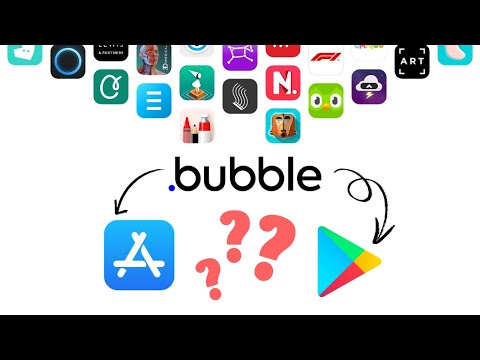

Converting your Bubble web application into a native mobile app is now possible using Bubble's Native Mobile App Builder, which is currently available in public beta. This feature allows you to create true native iOS and Android apps directly within the Bubble platform, sharing the same database and core functionality as your web app.
Getting Started with Bubble's Mobile App Builder
The Native Mobile App Builder operates alongside your existing web app, using the same database and user authentication system. Unlike web app wrappers, this creates genuine native applications that can access device hardware and provide authentic mobile user experiences.
To begin the conversion process, navigate to the Mobile tab in your Bubble editor. This tab appears once you have access to the mobile app builder beta. The mobile app builder uses a similar visual interface to the web editor but with mobile-specific elements and workflows.
Configuring Mobile Settings and Views
Mobile app development in Bubble revolves around Mobile Views rather than traditional web pages. These views are optimized for mobile app performance and native navigation patterns. Create your first mobile view by designing screens that correspond to your web app's key functionality.
Configure navigation using Bubble's mobile navigation system, which supports stack navigation, modals, and tab-based experiences. The mobile editor provides native gesture support, allowing you to implement swipe actions, tap interactions, and long-press functionality that users expect from mobile apps.
Set up device integrations by accessing mobile-specific features like camera access, photo library, push notifications, and location services. These integrations require proper permissions configuration, which Bubble handles through its mobile app builder interface.
Testing Your Mobile App
Before generating final app files, test your mobile application using BubbleGo, Bubble's testing app available for both iOS and Android. BubbleGo allows you to preview your mobile app without paying app store fees or going through the submission process.
Download BubbleGo from the App Store or Google Play Store, then connect it to your Bubble app using the provided testing credentials. This enables real-time testing of mobile-specific features like push notifications, camera access, and native navigation flows.
Generating Mobile App Files
Once your mobile app is configured and tested, generate the app files through Bubble's build system. Navigate to the mobile app deployment section where you can configure app metadata including app name, description, icons, and splash screens.
Bubble compiles your mobile app using React Native technology, creating separate builds for iOS and Android platforms. This process typically takes several minutes and generates the necessary files for app store submission.
Deploying to App Stores
For Apple App Store deployment, you'll need an Apple Developer account ($99 annually) and must configure your app's metadata, privacy policies, and screenshots. Bubble provides guidance on submitting your compiled app through Xcode or App Store Connect.
For Google Play Store deployment, register for a Google Play Developer account ($25 one-time fee) and upload your Android app bundle through the Google Play Console. Configure your store listing with descriptions, screenshots, and privacy information.
Both platforms require compliance with their respective review guidelines. Ensure your app provides native functionality beyond what's available through web browsers, as both Apple and Google can reject apps that are simply wrapped websites.
Key Considerations and Limitations
Remember that Bubble's mobile app builder is still in beta, meaning some features available in web apps may not yet be supported on mobile. The plugin ecosystem for mobile is more limited compared to web apps, though this is expanding as more plugin developers add mobile support.
Mobile apps built with Bubble require an internet connection to function, as they communicate with your Bubble database in real-time. Plan your app architecture accordingly and consider how limited connectivity might affect user experience.
Performance optimization becomes more critical with mobile apps. Test your app thoroughly on various devices and connection speeds to ensure smooth operation before submitting to app stores.